
Arkansas Land Access: Documents for Selling Land
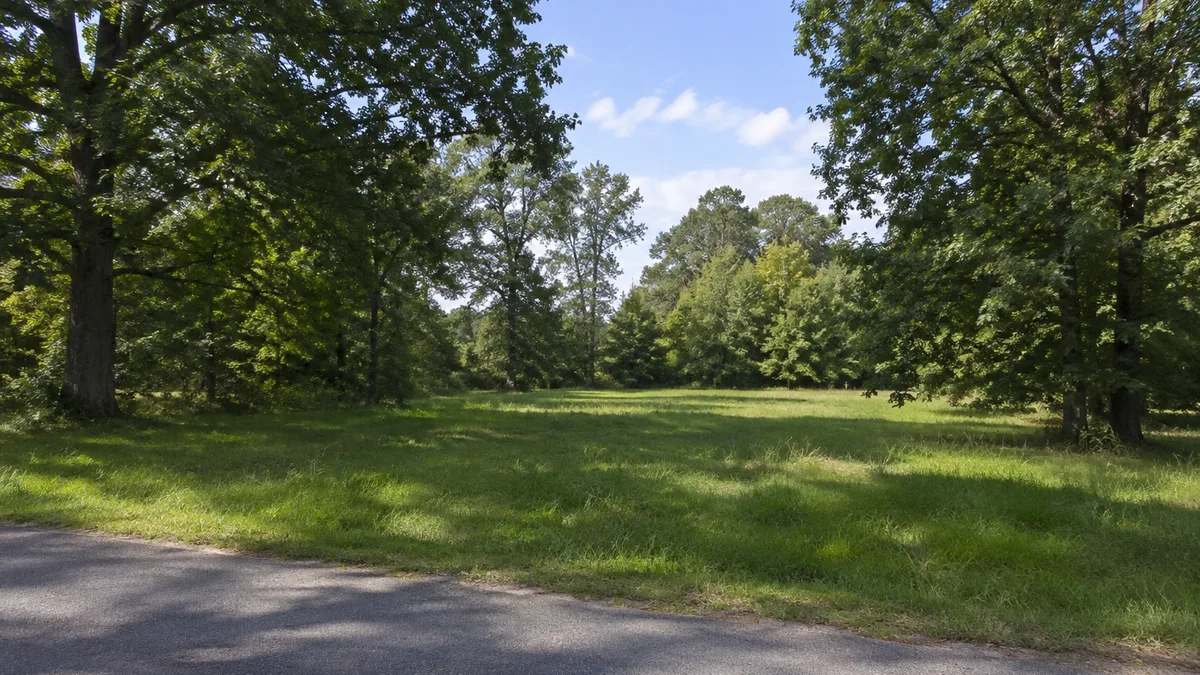
A track on an aerial image answers a physical question: someone appears to have traveled there. It does not answer who may use the route, for what purpose, or on what terms. An Arkansas owner preparing a parcel for review should keep those questions separate. This checklist explains how to organize the file and frame useful questions for a title provider, surveyor, or attorney. It does not determine whether any particular route creates a legal right.
Documents Needed to Sell Land Begin With the Recorded Tract
Start with the current deed and county parcel identifier. The assessor's map helps locate the holding, while the recorded instrument describes the interest conveyed. If the map, fence, and documents appear inconsistent, preserve that discrepancy as an open question. Do not silently select the outline that produces the largest acreage or most convenient route.
A property owner should gather any existing survey, prior easement papers, and information about how the tract is reached. The legal description of the property may need professional interpretation when an older instrument uses calls that are unfamiliar. A road drawn beside a parcel is not proof that the parcel has an approved entrance. Explain what you actually know about public frontage and private crossings.
Separate Observation From a Documented Right
Mark the point where the route leaves a public road and each neighboring holding it appears to cross. Note gates, seasonal crossings, and the person who has permitted entry in practice. Do not contact a neighbor with a claim of entitlement based only on an online map. A real estate attorney can evaluate the records and explain whether further investigation or a negotiated solution is appropriate.
For selling vacant land near a river, lake, or timber road, also distinguish a visible approach from a right that supports the intended use. A buyer interested in a residence may ask different questions from one considering occasional recreation. The seller should not promise either outcome without support. Keep current photographs labeled by date and location so they supplement, rather than replace, the recorded file.
The key documents and required documents should refer to the same piece of land. If several tracts are included, label each separately and show which route serves which tract. An important document concerning a neighboring parcel should not be presented as though it grants access to yours. Clear organization helps professionals identify the actual gap. Ask which documents you need to establish title to the property and which merely describe physical conditions. Those are related but different inquiries.
Read the Access Agreement Before Describing the Route
Locate the recorded easement agreement and any amendments, exhibits, or later instruments you possess. Ask a qualified professional who benefits from it, what ground it affects, and what use it permits. The answer may not be apparent from a short reference in an old deed. This is general legal information, not a conclusion about the enforceability of a particular instrument.
Keep a road-maintenance agreement separate from the instrument creating the access right. One document may address expense sharing without answering every question about permitted use. Likewise, a neighbor's informal permission is not the same thing as a recorded grant. Describe the arrangement accurately and ask what the proposed transfer would require.
What Documents Do I Need to Resolve the Access Question?
Ask whether the route has a defined location, whether it reaches the intended tract, and whether physical conditions match the exhibit. The seller should disclose known limits rather than infer that a broad purpose is allowed. If the buyer wants to use a different entrance, identify that as a new proposal. Do not let an inspection request become an assumption that a new route can be created.
A title deed reference is only a starting point for reviewing property rights. Questions about reserved interests, the identity of benefiting parcels, or an old unrecorded arrangement can need a real estate lawyer. The role is to evaluate the specific file, not merely approve a sentence copied from an advertisement. A purchaser's confidence is not a substitute for that review.
When an updated land survey is proposed, ask what it will establish and which questions still require document interpretation. Surveying a visible lane does not by itself resolve all legal issues. Before ordering work, confirm the scope, cost, access permission, and who receives the results. Keep necessary documents and correspondence together so a later reviewer can see how the conclusion was reached.

Use the Purchase Agreement to Assign Access Diligence
A land purchase agreement should identify the parcel, purchase price, deposit, inspection period, and conditions for proceeding. If access is unresolved, ask how that uncertainty is treated. A buyer may be willing to investigate, but willingness is not a completed conclusion. The purchase agreement should say who obtains any reports, who pays, and what allows cancellation.
Before you sell your land, compare the proposed terms with your actual intention. If you plan to convey one complete tract, a partial land purchase may create a different boundary or entrance question. Ask whether a division, approval, or new description is required. Do not assume the buyer can select a frontage strip later without changing the practical result for the remaining holding.
Do Not Rely on a Generic Form to Answer a Specific Problem
An agreement template can show common topics, but it does not establish the requirements for selling your parcel. A real estate purchase agreement prepared for an unrelated residential property may not address a rural crossing or shared road. Ask a professional to explain the relevant conditions. This article does not provide a sale contract or individual legal advice; a legal document should be prepared for the actual facts.
Whether you sell land by owner, work with a real estate agent, or compare a direct proposal, responsibility for accurate statements remains important. Marketing land for cash should not include a guarantee of access that has not been verified. A land contract can use that label in different ways; ask what the actual document does rather than assume its name explains when ownership or payment changes.
The buyer and seller should agree on inspection entry separately from possession of the property. Permission to visit for a survey is not an unlimited right to alter the road or begin work. Put site visits, notice, and restoration expectations in the agreement where appropriate. A land sale contract should not leave an unanswered access concern hidden behind an attractive price.
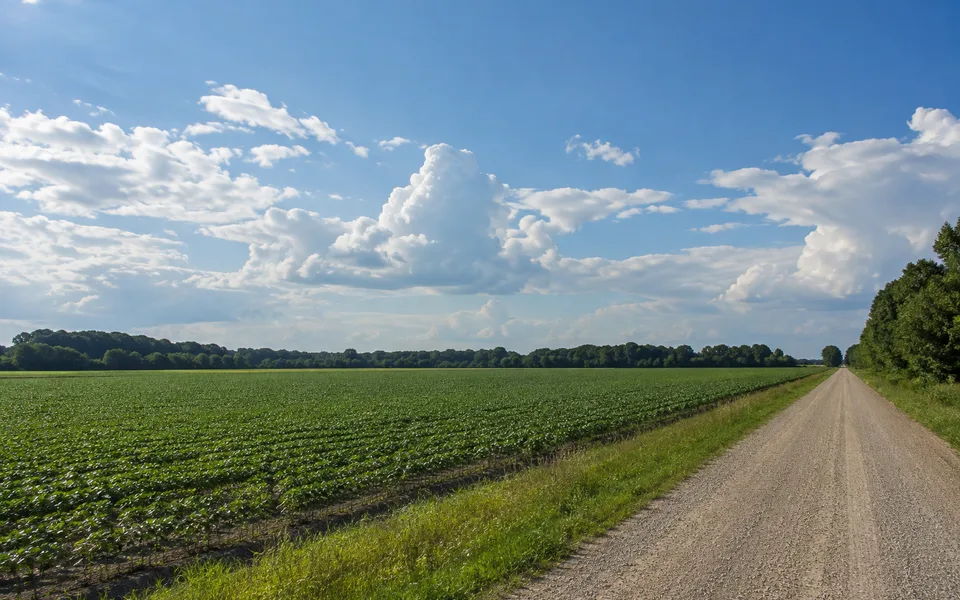
Review the Closing Agreement and Remaining Access Conditions
Before the transaction closes, ask the settlement provider which title requirements and recorded exceptions remain. A proposed warranty deed should be explained by a qualified professional; its label is not a reason to stop investigating a known issue. Compare the planned deed with the interest described in the purchase agreement and ask whether exclusions or exceptions change what the buyer receives.
A preliminary settlement statement can clarify the sale price, expenses, and deductions. It does not answer every question about use of a road. Ask how any unresolved access condition affects the terms of the sale and who decides whether it is satisfied. The new owner should not discover that a supposed permanent route was only a temporary understanding left undocumented.
Keep the Record Useful After the Transfer
Retain closing documents, relevant exhibits, and written explanations from your professionals. The process of selling should leave a trail of evidence rather than a collection of reassuring messages. For the purchase and sale agreement, record any authorized deadline change and avoid a verbal extension that conflicts with the signed terms. If the transaction does not proceed, ask which documents and expenses each party retains.
A straightforward land sale may close in as little as 2 weeks when title, documents, and signatures are ready. An easement negotiation or disputed route can take longer. No preliminary buyer inquiry guarantees that an access issue is curable. An owner deciding whether to sell the property should compare the proposal with the work still required and the advice received.
Use our Boone County parcel guide or Pope County seller review for examples of questions to organize around Ozark and River Valley settings. Before you list your property or accept a direct offer, provide the same factual file to each reviewer. When selling your property, ask for a list of documents still missing. A sale by owner does not remove the need to verify ownership of the property or the conditions a purchaser accepts. Documents related to a negotiated access solution should stay with the closing file. That consistency makes comparisons more useful without claiming an outcome the records have not established.

Arkansas Landowner Guides
Practical guides to inherited acreage, taxes, access and comparing written offers.
Request Your Parcel Offer
Enter the acreage, state, property address and county to request an offer. Your inquiry may be shared with independent land buyers who can contact you about the parcel. Read our Privacy Policy before submitting.